5 Ways to Choose the Best Tire for Your Vehicle
• October 3, 2026
The best tire for your vehicle depends on your vehicle type, driving habits, local weather, and budget. For Canadian drivers, compare tire size, seasonal performance, snow traction, wet braking, tread life, and manufacturer ratings before buying. The right choice improves safety, comfort, handling, and value in Newmarket and surrounding areas.
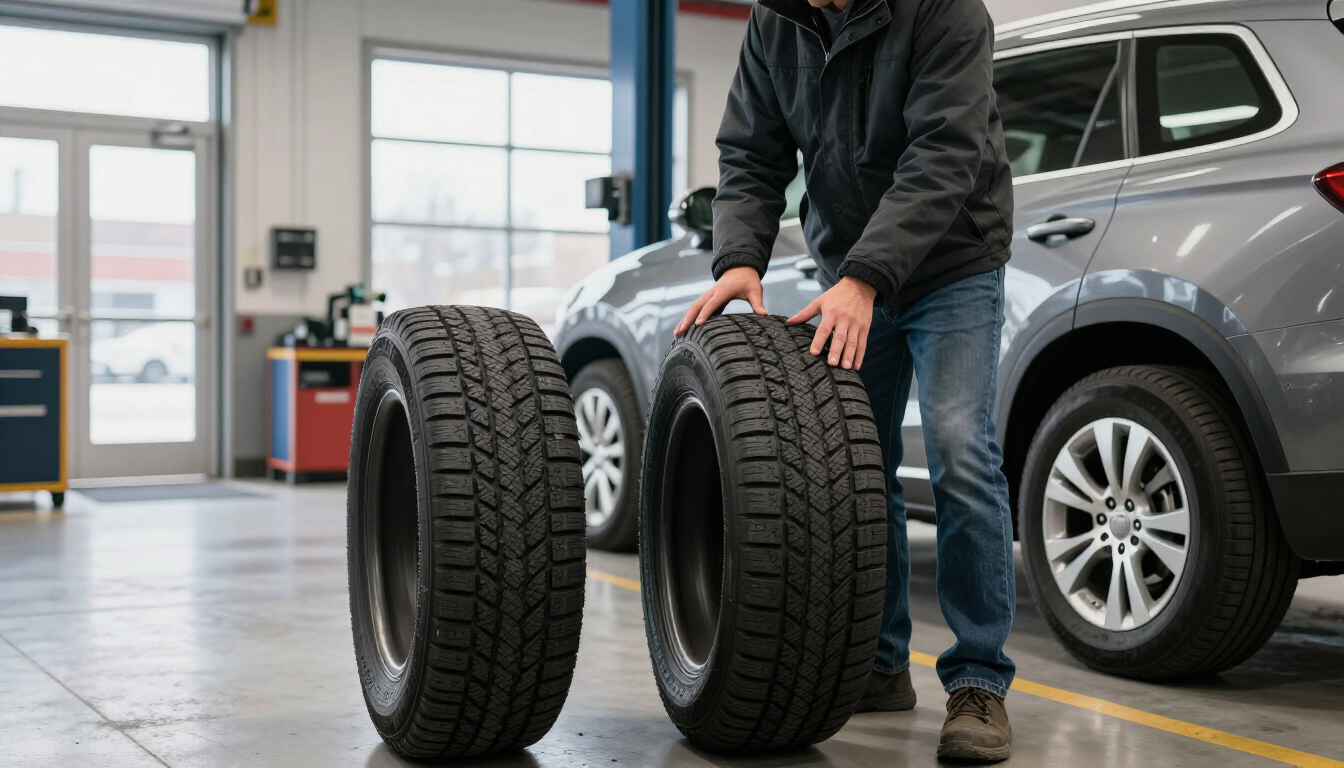
What is the best tire for your vehicle?
There is no single tire that suits every driver. The best option is the one that matches your vehicle’s recommended specifications and the conditions you regularly face.
Before shopping, check:
- The tire size listed on your door-jamb label or owner’s manual
- Your vehicle’s load and speed requirements
- Whether you need winter, all-season, or all-weather tires
- Your typical roads, commute length, and driving style
- Your budget for purchase, installation, storage, and replacement
A tire that fits your vehicle but performs poorly in your normal climate is not the best choice. Similarly, an expensive performance tire may offer little benefit if most of your driving is short, low-speed commuting.
How do Canadian seasons affect tire choice?
Southern Ontario drivers experience hot summers, heavy rain, freezing temperatures, packed snow, and icy roads. Tire rubber is designed to perform within specific temperature ranges, so seasonal selection matters.
Winter tires
Dedicated winter tires use rubber compounds and tread designs that remain flexible in cold weather. Their biting edges help grip snow and ice, while deeper grooves help clear slush.
Winter tires are usually the strongest choice when you:
- Drive regularly below 7°C
- Travel during snow, freezing rain, or icy conditions
- Commute early in the morning or late at night
- Need predictable braking and cornering in winter
- Drive rural, hilly, or poorly cleared roads near Newmarket, Aurora, or King City
All-season tires
All-season tires are designed for moderate conditions. They can be practical for drivers who use another vehicle during severe weather or drive very little in winter. However, they are not equivalent to dedicated winter tires on snow and ice.
All-weather tires
All-weather tires offer a compromise between all-season convenience and winter capability. Look for the Three-Peak Mountain Snowflake symbol if you need a tire certified for severe snow service. They may suit drivers who want year-round convenience but still face meaningful winter weather.
Which tire type fits your driving habits?
Your routine often matters more than the vehicle badge. Consider these common situations:
For daily winter commutes, it is advisable to use dedicated winter tires, which are specifically designed to provide better traction, handling, and control in cold, snowy, and icy conditions. During warmer months, drivers can switch to summer or all-season tires for appropriate seasonal performance.
For primarily city driving with occasional snow, winter tires or certified all-weather tires are recommended. These options can provide improved traction and dependable performance when urban roads encounter snow, slush, ice, and changing winter conditions.
For year-round highway driving, dedicated seasonal tire sets can provide enhanced control, stability, and performance across changing weather conditions. Using tires designed for the season can be especially beneficial for drivers who regularly travel at highway speeds.
For light trucks or SUVs, it is important to select tires that match the vehicle's load capacity, towing requirements, driving conditions, and terrain. Choosing the appropriate tire type helps support safe handling, durability, and overall vehicle performance.
For lawn, garden, trailer, or utility use, specialty tires designed for the specific equipment and application are recommended. Selecting purpose-built tires can provide the durability, traction, load support, and efficiency required for these specialized tasks.
For specialty applications, explore ATV & Trailer Tires , Bobcat Tires , or Lawn and Garden Tires .
How do you choose the correct tire size?
Use the size recommended by your vehicle manufacturer unless a qualified tire professional confirms an alternative. A typical size, such as 225/65R17 , includes width, aspect ratio, construction type, and wheel diameter.
Confirm the following before ordering:
- Tire width and aspect ratio
- Wheel diameter
- Load index
- Speed rating
- Clearance and fitment requirements
- TPMS compatibility, if applicable
The same vehicle may have different approved sizes depending on its trim, engine, wheel package, or model year. Use the vehicle label and owner’s manual as your starting point rather than relying only on a tire currently installed.
You can browse available options through Tires or Shop for Tires . If you are unsure, a professional inspection can prevent ordering an incompatible set.
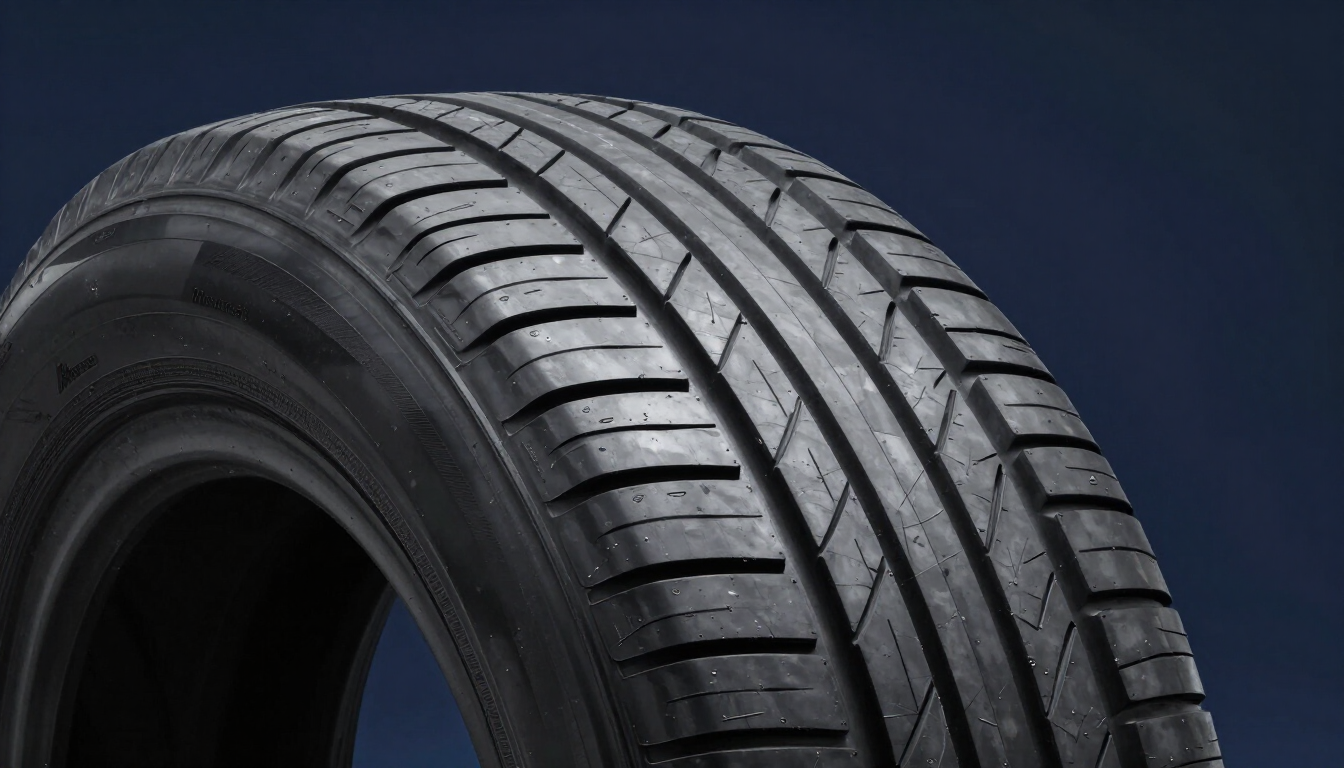
What should you compare besides price?
A low purchase price does not always mean the lowest ownership cost. Compare the tire’s complete value:
- Traction: Look for confident snow, wet, and dry-road performance.
- Braking: Independent testing and reputable reviews can reveal stopping differences.
- Tread life: A durable tire may cost less per kilometre.
- Ride comfort: Some touring tires reduce road noise and harshness.
- Fuel efficiency: Low rolling resistance may help reduce fuel use.
- Warranty: Review workmanship, mileage, and road-hazard coverage.
The best tire for your vehicle should balance these factors with your driving priorities. Ask whether the tire is designed for commuting, highway travel, towing, spirited handling, or mixed conditions.
Tire brands and professional fitment
Brand reputation can help, but the correct model matters more than the logo alone. Well-known manufacturers produce different tire lines for winter traction, touring comfort, performance, trucks, and specialty equipment.
Duff’s Tire Discounter Ltd. carries respected names including MICHELIN®, Cooper, and Sigma. Visit Tire Brands to explore options, then ask a tire professional to compare models for your vehicle and driving needs.
Professional installation also matters. Proper mounting, balancing, torque, and inflation help your tires perform as designed. Learn more about available Tire Services , including tire mounting, balancing, rotations, and related care.
When should you replace your tires?
Inspect your tires regularly and replace them when tread, age, damage, or performance indicates they are no longer reliable. Warning signs include:
- Tread at or near the legal or manufacturer limit
- Cracks, bulges, cuts, or exposed cords
- Uneven wear across the tread
- Persistent vibration or pulling
- Frequent air-pressure loss
- Noticeably weaker grip in rain or snow
Tread depth alone does not tell the whole story. Rubber hardens with age, and damage can make a tire unsafe even when tread remains. Have a professional inspect questionable tires before a long trip or seasonal changeover.
For maintenance reminders, see Tire Care Tips . You can also plan seasonal appointments through Appointments or learn about Seasonal Tire Storage .
A simple tire-buying checklist
Before you purchase, confirm:
- Your vehicle’s approved tire size and specifications
- The season and weather conditions you will drive through
- Your priorities: safety, comfort, mileage, performance, or price
- Whether you need installation, balancing, rotation, or storage
- The tire’s warranty and expected service life
If you are comparing several options, bring your vehicle information and describe your usual commute. A local tire professional can help narrow the choices without recommending more tire than you need.
The bottom line
The best tire for your vehicle is the correctly sized option that matches your Canadian driving conditions, vehicle requirements, and budget. For Newmarket-area drivers, winter traction deserves special attention because cold temperatures, snow, slush, and ice can change stopping and handling quickly. Compare seasonal design, tread life, wet braking, comfort, warranty, and total ownership cost—not just the initial price. Check your vehicle’s specifications, review suitable tire models, and schedule professional installation when ready. Duff’s Tire Discounter Ltd. can help you evaluate your options and prepare your vehicle for every season.
Recent Posts
SHARE THIS
Latest Posts