How to Choose the Best Wheels and Tire Combination
• October 3, 2026

The best wheels and tire combination for Canadian weather balances winter traction, proper fitment, durability, and comfort. Choose tires suited to your season, keep the original diameter unless a professional confirms otherwise, and select wheels that resist road salt, potholes, and cold-weather damage. Always verify vehicle-specific specifications before buying.
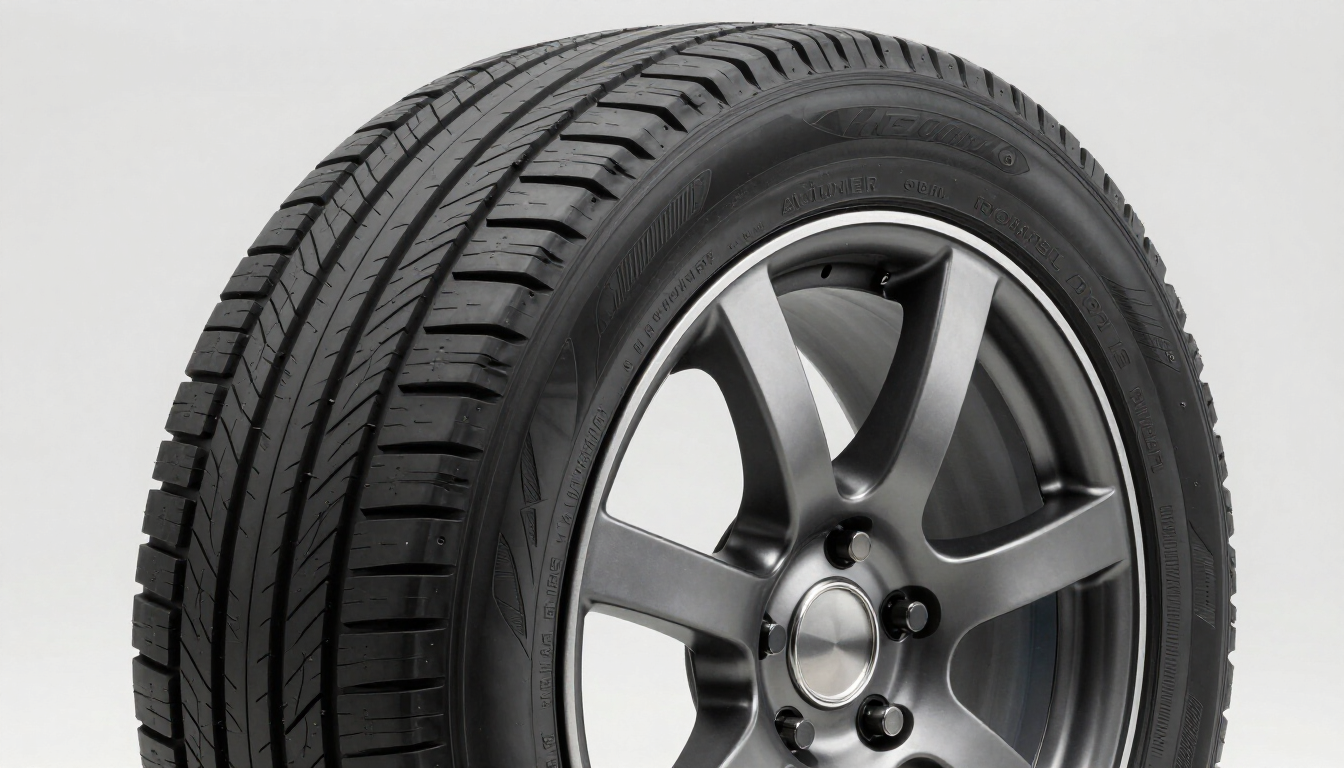
What makes a wheel and tire combination right for Canada?
Canadian driving conditions vary widely. A vehicle used in Newmarket, Aurora, or King City may face freezing rain, packed snow, slush, potholes, and dry summer pavement in the same year. The right combination should provide:
- Reliable grip in the temperatures and conditions you expect
- Correct load capacity and speed rating
- Proper clearance around brakes, suspension, and fenders
- Protection from salt, moisture, and impact damage
- A practical balance of handling, ride comfort, and cost
Your vehicle’s original tire size is an important starting point, but it is not the only consideration. Tire compound, tread design, wheel diameter, wheel material, and seasonal use all affect performance.
Should you use winter, all-season, or all-weather tires?
For most Canadian drivers, the tire category is more important than the wheel style. Each option serves a different purpose.
Winter tires
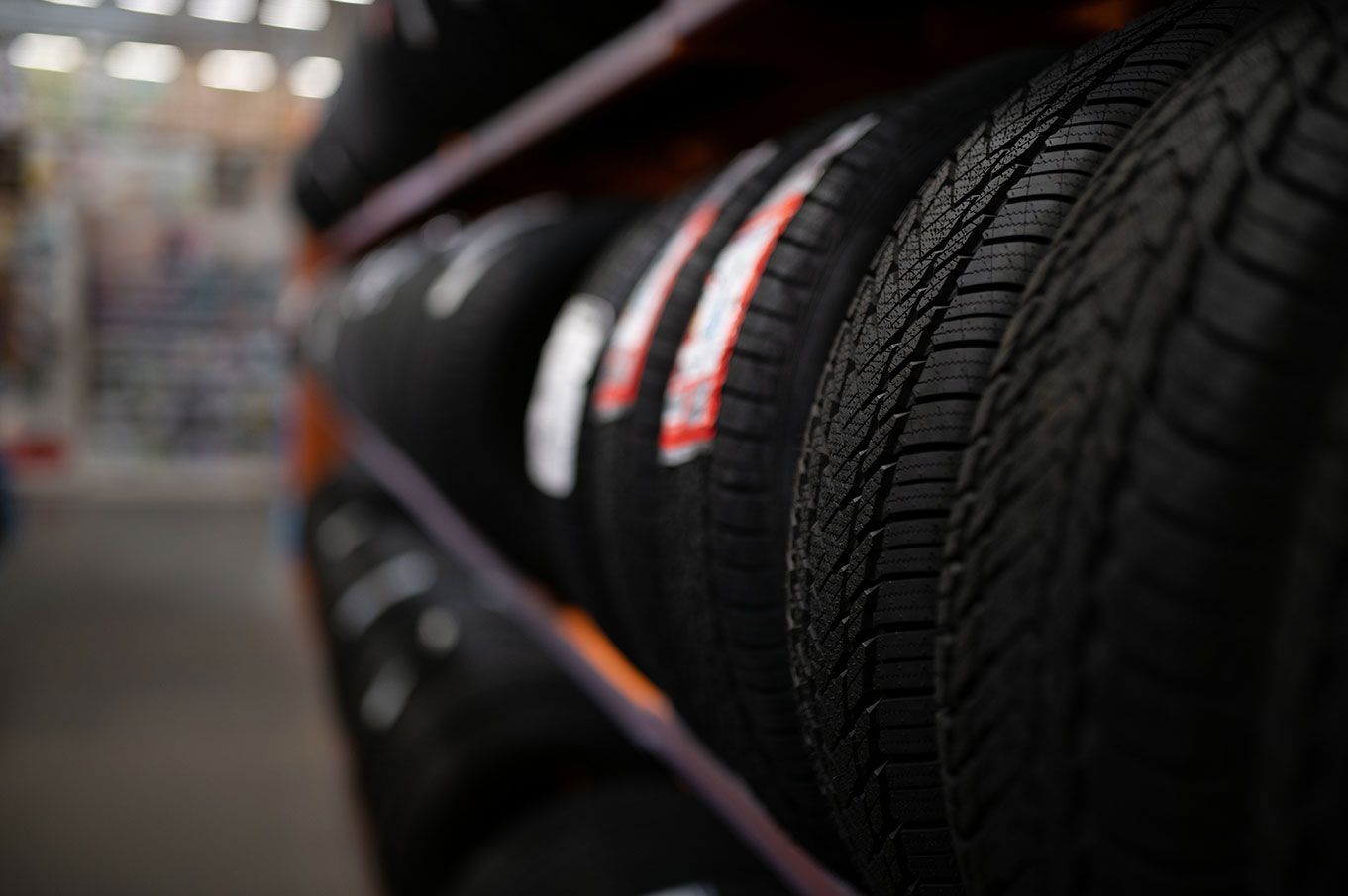
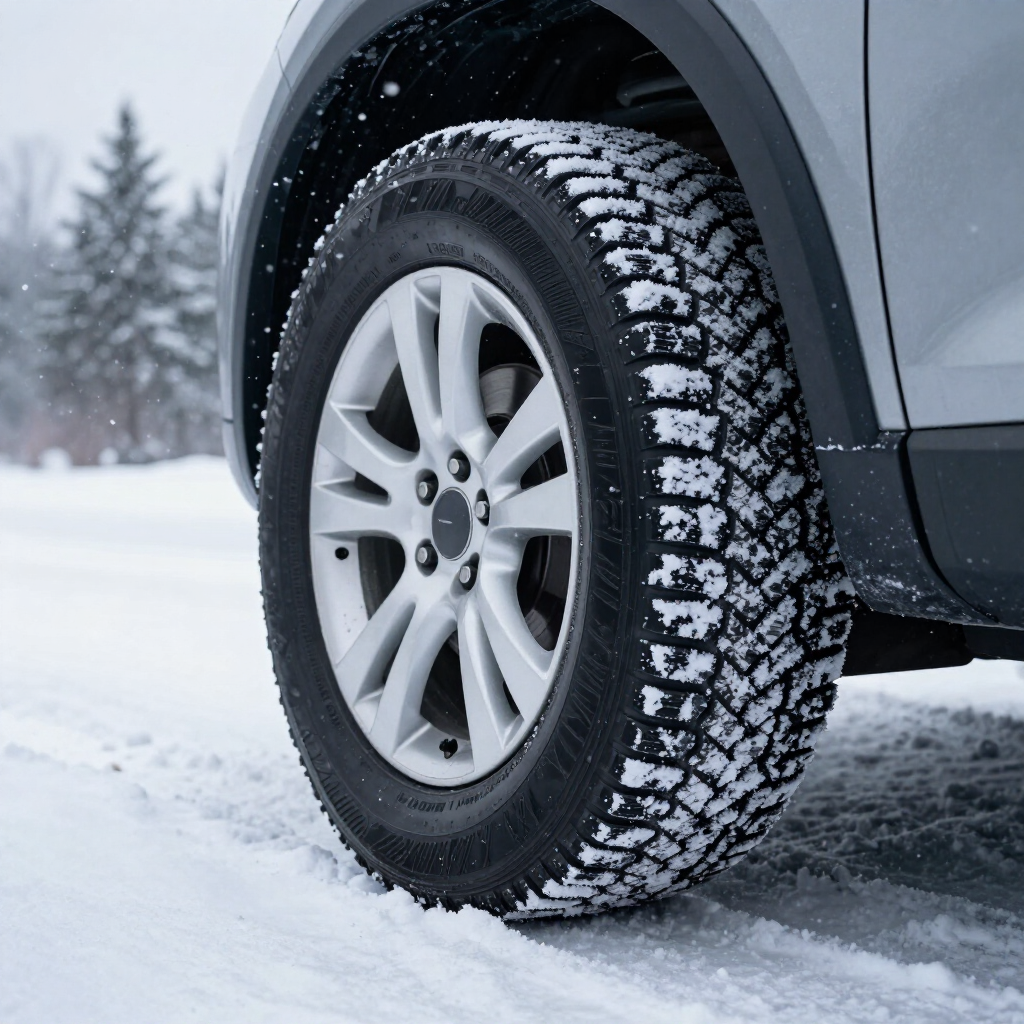
Winter tires are designed for cold temperatures, snow, and ice. Their rubber remains flexible below 7°C, while dense siping and specialized tread patterns help create traction on slippery roads. They are the strongest choice for drivers who regularly travel during Ontario winters.
Look for the three-peak mountain snowflake symbol. This mark indicates that the tire meets a recognized severe-snow performance standard. Dedicated winter tires can improve braking and cornering control even when roads are merely cold and wet.
All-season tires
All-season tires are intended for moderate conditions. They can be a reasonable choice for drivers who drive infrequently in winter, have access to another vehicle, or live where snow and ice are limited. However, the name can be misleading: all-season does not mean ideal for every Canadian season.
Their rubber generally becomes less flexible in cold weather, reducing traction when temperatures drop. They are not a substitute for dedicated winter tires in frequent snow or icy conditions.
All-weather tires
All-weather tires are a middle-ground option. Many carry the mountain snowflake symbol and are designed to handle winter conditions while remaining on the vehicle year-round. They may suit drivers who want one set of tires but still need dependable snow performance.
They can be convenient, but a dedicated summer or all-season setup may deliver better warm-weather handling and longer overall service life. Your mileage, storage space, and local roads should guide the choice.
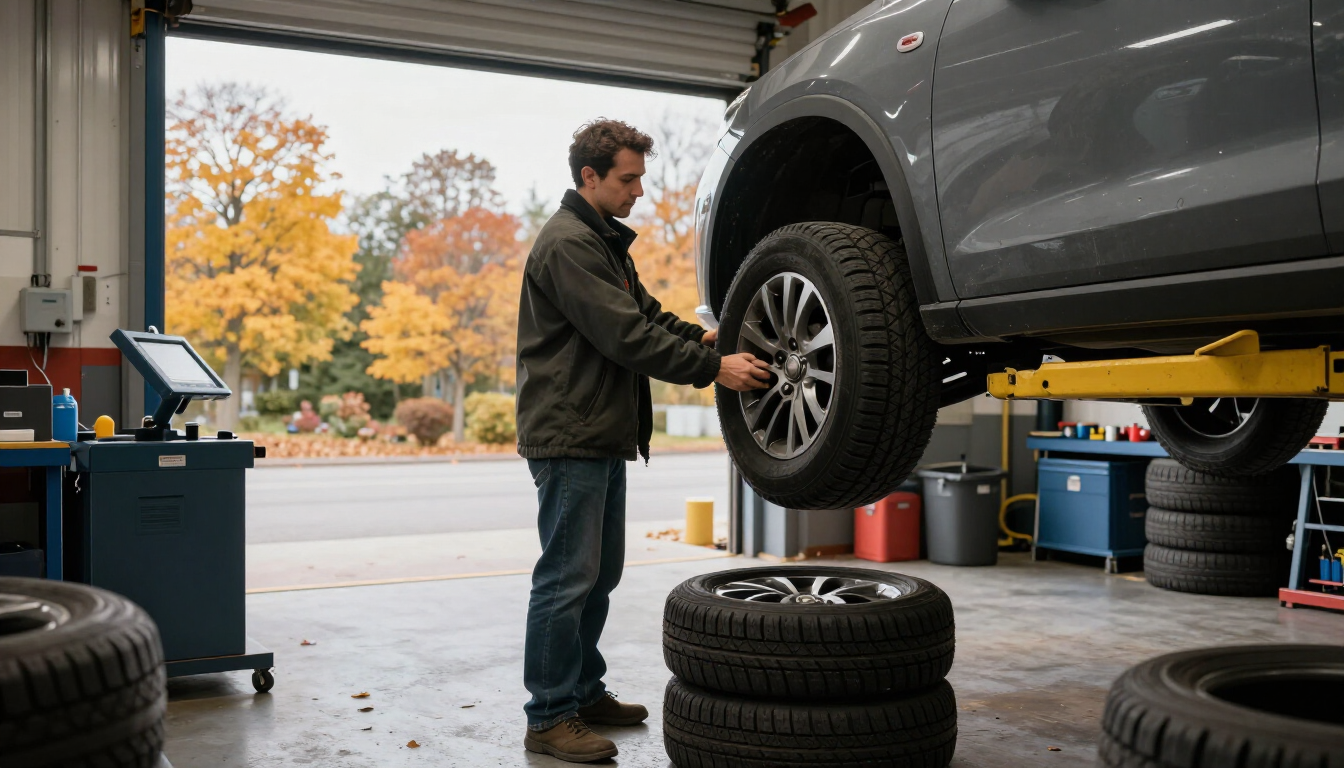
For more seasonal guidance, review our tire care tips and tire changeover services .
How do you choose the correct tire size?
The correct tire size is printed on the sidewall and listed on the vehicle placard, usually found on the driver’s door jamb. A size such as 225/60R17 tells you three key things:
- 225 is the tire width in millimetres.
- 60 is the aspect ratio, or sidewall height as a percentage of width.
- R17 indicates radial construction and a 17-inch wheel diameter.
When changing sizes, the replacement tire should have a similar overall diameter to the original. A major difference can affect speedometer accuracy, anti-lock braking, traction-control systems, fuel economy, and handling.
A smaller winter wheel package is often practical when the vehicle allows it. More sidewall can soften impacts from potholes and reduce the replacement cost of winter tires. However, smaller wheels must still clear the brake components and meet the manufacturer’s specifications.
What wheel specifications matter most?
Wheel appearance matters, but fitment and strength come first. Before purchasing wheels, confirm these specifications:
- Bolt pattern: The number of bolts and the spacing between them must match.
- Offset: This controls how far the wheel sits inward or outward from the hub.
- Centre bore: The opening must fit the vehicle hub, sometimes with approved hub-centric rings.
- Diameter and width: These must work with the selected tire size and available clearance.
- Load rating: The wheel must safely support the vehicle and its cargo.
- Brake clearance: Spokes and barrel design must clear the brake calipers.
Incorrect offset may cause rubbing, uneven tire wear, steering changes, or stress on suspension components. A wheel that bolts on is not automatically a safe or correct fit. Use professional fitment advice before ordering online.
Explore our wheel selection , wheel brands , and wheel care tips for additional guidance.
Are alloy or steel wheels better for winter?
Both materials can work well, but they have different advantages.
Steel wheels
Steel wheels are typically affordable and practical for a dedicated winter set. Their simple construction can be a good match for rough roads and seasonal use. Scratches may be less noticeable, and replacing one damaged wheel can be less expensive.
Steel wheels are heavier than many alloy options, which may slightly affect acceleration, fuel economy, and steering feel. They can also corrode if their finish is damaged and road salt reaches the metal.
Alloy wheels
Alloy wheels are lighter and available in many designs. Lower weight can support responsive handling, while the finish may complement a newer vehicle. Some alloy wheels are specifically designed for winter use and have durable protective coatings.
Alloys can be more expensive, and a severe pothole impact may bend or crack them. If you choose alloys for winter, prioritize a simple, strong design that is easy to clean rather than an intricate wheel with difficult-to-reach surfaces.
For either material, regular washing helps remove salt and road grime. Our wheel care tips can help you protect the finish throughout the year.
How should Canadian drivers match tires to driving habits?
There is no single best setup for every driver. Consider where, when, and how you drive.
- Mostly city driving: Prioritize wet braking, quiet performance, and resistance to pothole damage.
- Highway commuting: Choose stable handling, strong wet-weather grip, and an appropriate speed rating.
- Rural or poorly cleared roads: Favor severe-snow-rated winter tires and additional sidewall protection.
- Frequent long trips: Consider tread life, road noise, fuel efficiency, and dependable cold-weather traction.
- Light truck or SUV use: Confirm the tire’s load range and select a wheel rated for the vehicle’s weight.
Also consider storage. A second mounted wheel set makes seasonal changeovers faster and reduces repeated mounting and demounting. Store unused tires in a cool, dry location away from direct sunlight, fuel, and ozone-producing equipment.
What mistakes should you avoid when buying a package?
A low advertised price may not represent the complete cost or the safest setup. Avoid these common mistakes:
- Choosing a tire based only on brand or appearance.
- Mixing incompatible tire types, sizes, or tread designs.
- Ignoring load index, speed rating, or severe-snow markings.
- Buying wheels without confirming offset and brake clearance.
- Reusing damaged, corroded, or incorrect lug nuts.
Ask whether the quoted package includes mounting, balancing, valve stems, pressure sensors, lug hardware, and seasonal storage. If your vehicle uses a tire-pressure monitoring system, confirm that compatible sensors are included and programmed correctly.
A professional inspection can also identify worn suspension parts or alignment issues that may shorten the life of new tires. Proper balancing and alignment are especially important after installing a new wheel and tire package.
A practical checklist before you buy
Use this checklist when comparing options:
- Check the vehicle placard and owner’s manual for approved sizes.
- Decide whether you need winter, all-weather, or all-season tires.
- Compare traction, tread life, noise, and warranty—not price alone.
- Confirm wheel bolt pattern, offset, centre bore, width, and load rating.
- Ask for a complete installed price, including balancing and sensors.
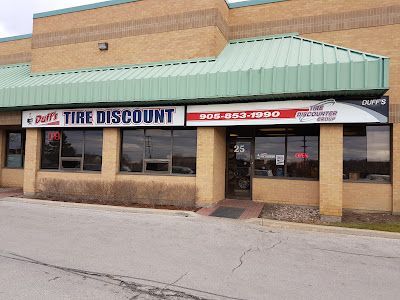
At Duff’s Tire Discounter Ltd., we have served Newmarket and surrounding communities since 1988. Our team can help compare tire and wheel options for local weather, vehicle fitment, and driving needs. Visit Tires , Shop for Tires , or Shop for Wheels to explore available options, then book an appointment for professional advice and installation.
Final takeaway
The best wheels and tire combination for Canadian weather is the one that matches your vehicle, local conditions, and driving habits. In Ontario, dedicated winter tires are usually the strongest choice for regular snow and ice, while all-weather tires may suit drivers seeking year-round convenience. Choose wheels with correct fitment, suitable load capacity, and protection from salt and impacts. Before purchasing, compare the complete package and have the setup professionally checked. Review your options, ask about seasonal service, and schedule an appointment before winter conditions arrive.
Recent Posts
SHARE THIS
Latest Posts