When to Change to Winter Tires in Canada
• October 3, 2026
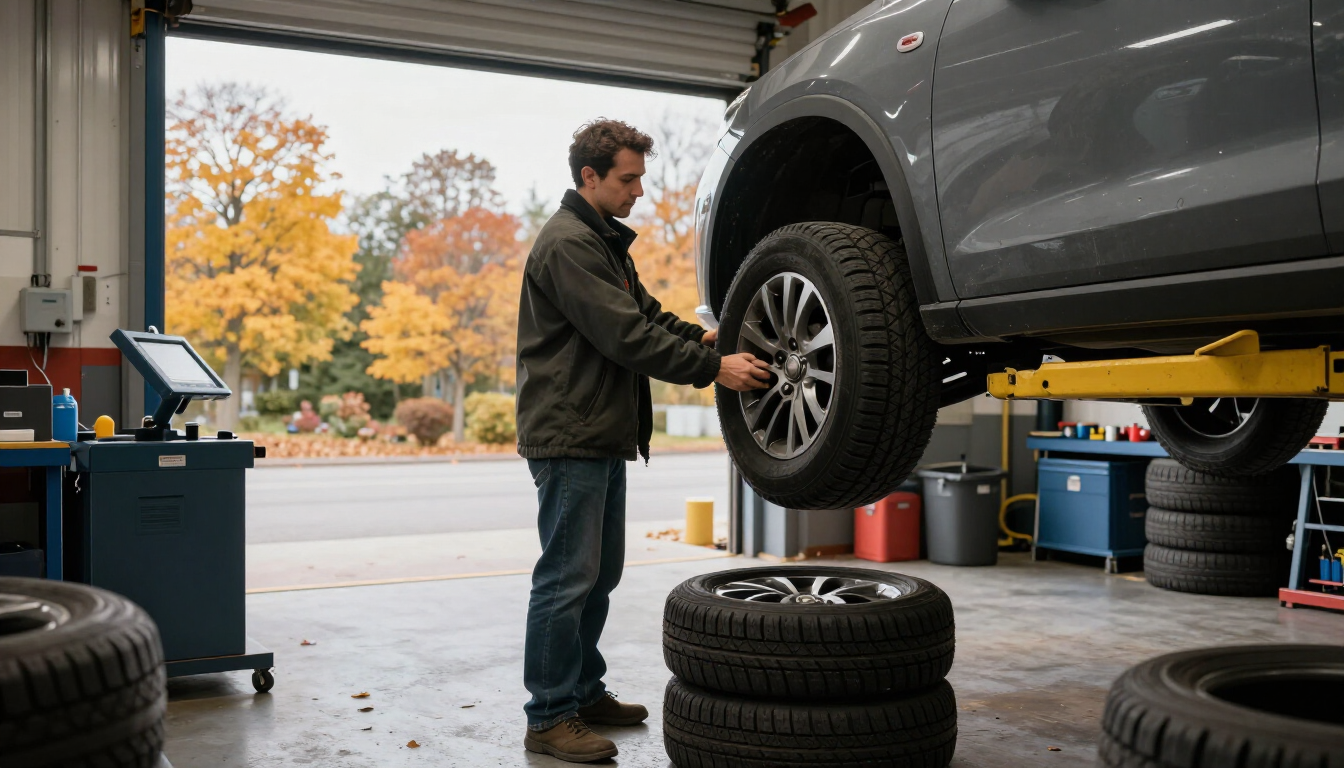
When to change to winter tires in Canada depends on temperature, not just snowfall. Install them when temperatures consistently reach 7°C or lower, typically in October or early November in Ontario. Winter tires improve braking, traction, and control on cold, icy, and snowy roads—especially during daily commutes.
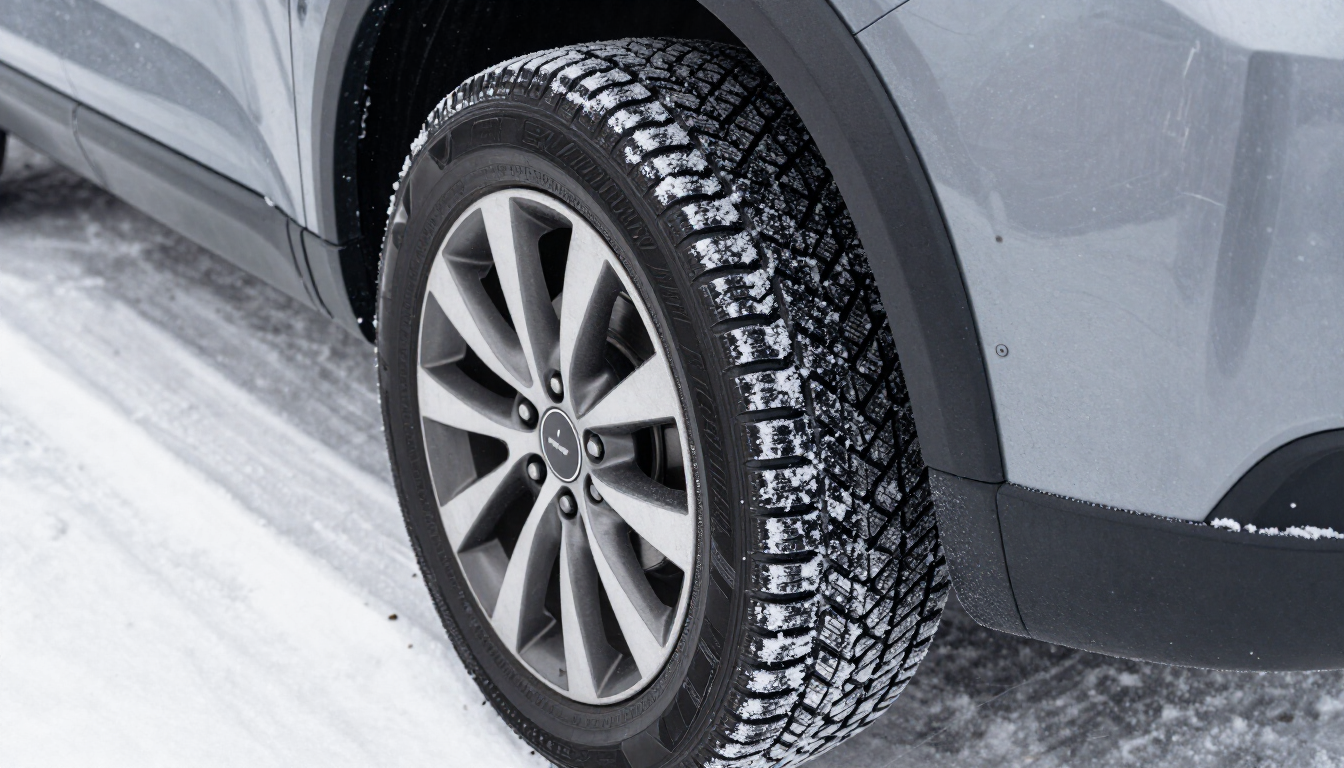
When is the best time to change to winter tires in Canada?
The best time to change to winter tires is before temperatures regularly drop below 7°C. In Newmarket, Aurora, King City, and surrounding Ontario communities, that usually means booking your appointment in October or early November.
The 7°C guideline matters because all-season and summer tire rubber becomes harder as temperatures fall. Harder rubber provides less grip, even when the road is dry. Winter tires use a rubber compound designed to remain flexible in cold weather, helping your vehicle respond more predictably.
Do not wait for the first major snowstorm. Tire shops become busy when the forecast changes suddenly, and waiting can leave you commuting on tires that are no longer suited to the conditions.
A practical Ontario timing guide
- Early October: Start checking tread depth, tire condition, and appointment availability.
- Mid-to-late October: A good changeover window for many Ontario drivers.
- Early November: A reasonable target if temperatures have not dropped consistently yet.
- Before the first snowfall: Essential if your vehicle will be used for regular commuting.
- Any time temperatures fall below 7°C: Consider changing sooner, regardless of the forecast.
Your driving habits matter too. Drivers who leave early in the morning, travel rural roads, or commute long distances may benefit from installing winter tires earlier than someone who drives only short distances during warm afternoons.
Why do you need winter tires?
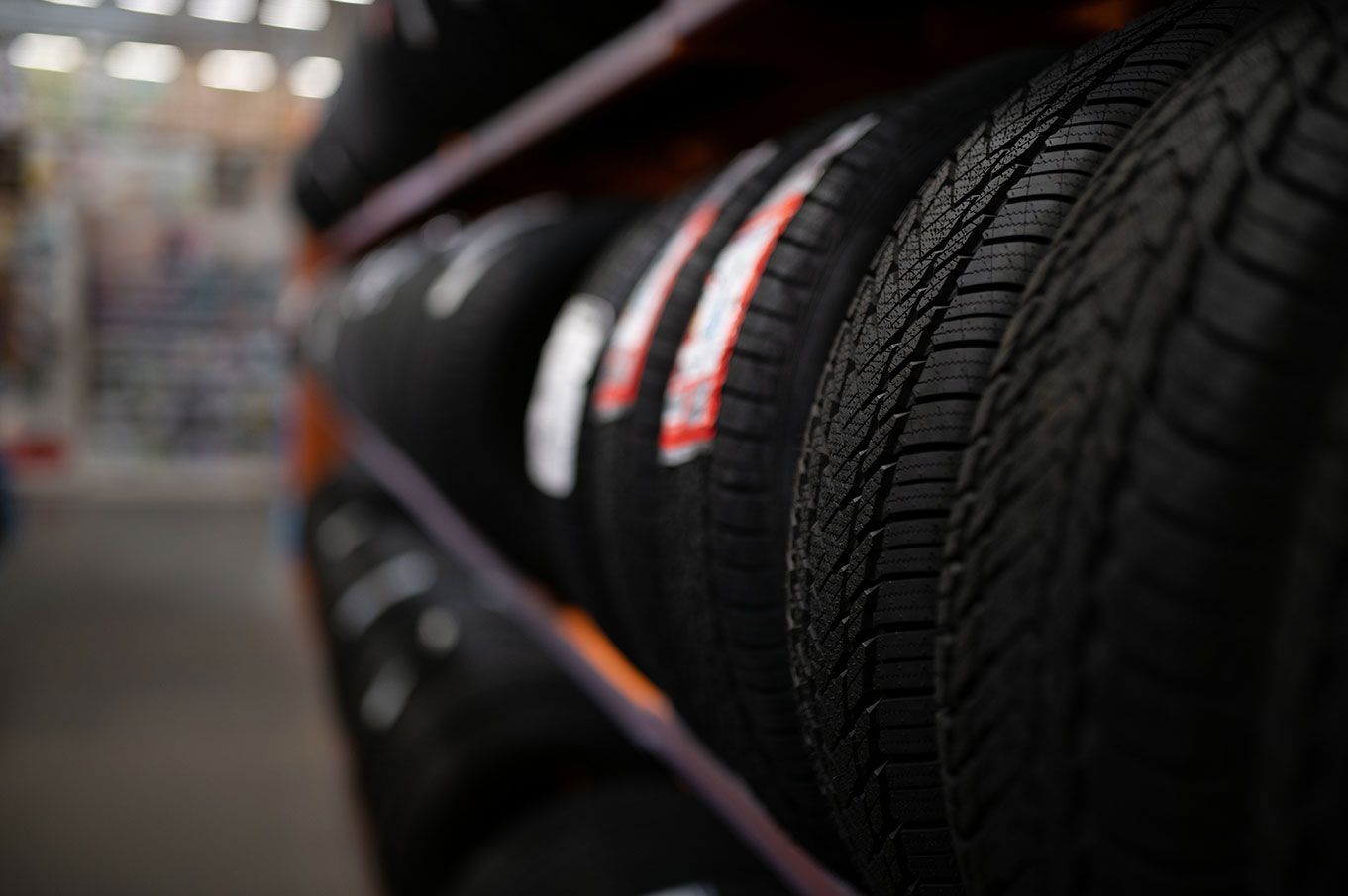
Winter tires are designed for cold-weather traction. They combine flexible rubber, deeper tread patterns, and thousands of small biting edges called sipes. These features help the tire grip cold pavement, packed snow, and icy surfaces more effectively than many all-season tires.
Winter tires can help with:
- Shorter braking distances: Better grip can help you stop more confidently on cold or slippery roads.
- Improved acceleration: Tread blocks and traction edges help reduce wheel spin.
- Better cornering: Flexible rubber supports more consistent contact with the road.
- Greater control: Winter tires help your vehicle respond more predictably during sudden changes.
- Safer commuting: Reliable traction is especially valuable before sunrise, after dark, and during changing weather.
Winter tires do not eliminate risk. You still need to reduce speed, increase following distance, clear snow from your vehicle, and adjust to visibility and road conditions. However, they give your vehicle a better foundation for safe winter driving.
Are winter tires better than all-season tires in cold weather?
Yes. Winter tires generally outperform all-season tires when temperatures are below 7°C, particularly on snow and ice. All-season tires are designed as a compromise for several seasons; winter tires are specifically engineered for cold-weather performance.
The difference is not limited to deep snow. A cold, dry road can reduce the flexibility of standard tire rubber. Winter tires are built to maintain grip in those conditions, which can matter during an emergency stop or a turn on a shaded road.
Look for the mountain snowflake symbol, officially called the Three-Peak Mountain Snowflake designation. It identifies tires tested to meet specific snow-performance requirements. The “M+S” marking alone does not provide the same assurance of severe-snow capability.
For help comparing options, browse Tires , Shop for Tires , or review available Tire Brands .
What should you check before installation?
Before your seasonal tire changeover, check the following:
- Tread depth: Worn tread reduces traction and water or snow evacuation.
- Sidewalls: Look for cracks, bulges, cuts, or other visible damage.
- Age: Rubber can deteriorate over time, even if tread remains.
- Correct size: Confirm the tire size matches your vehicle and wheel setup.
- Storage condition: Keep unused tires in a cool, dry place away from sunlight and chemicals.
A professional inspection can identify problems that are easy to miss at home. Ask about tire pressure, wheel torque, balancing, and whether your winter tires should be mounted on separate wheels.
How early should you book a winter tire changeover?
Book your winter tire changeover one to three weeks before you expect temperatures to remain below 7°C. In Ontario, appointments can fill quickly in late October and early November, especially after the first snow or freezing-rain warning.
Early booking offers practical benefits:
- More choice of appointment times
- More time to replace damaged or worn tires
- Less stress before a sudden weather change
- A chance to inspect wheels and tire pressure
- Better preparation for morning and evening commutes
Duff’s Tire Discounter Ltd. has served the local community since 1988 from 25-17075 Leslie St. in Newmarket. The team provides tire installation, mounting and balancing, rotations, flat tire repair, and other tire services for drivers in Newmarket, Aurora, King City, and nearby areas. You can learn more about Tire Changeover or book an appointment .
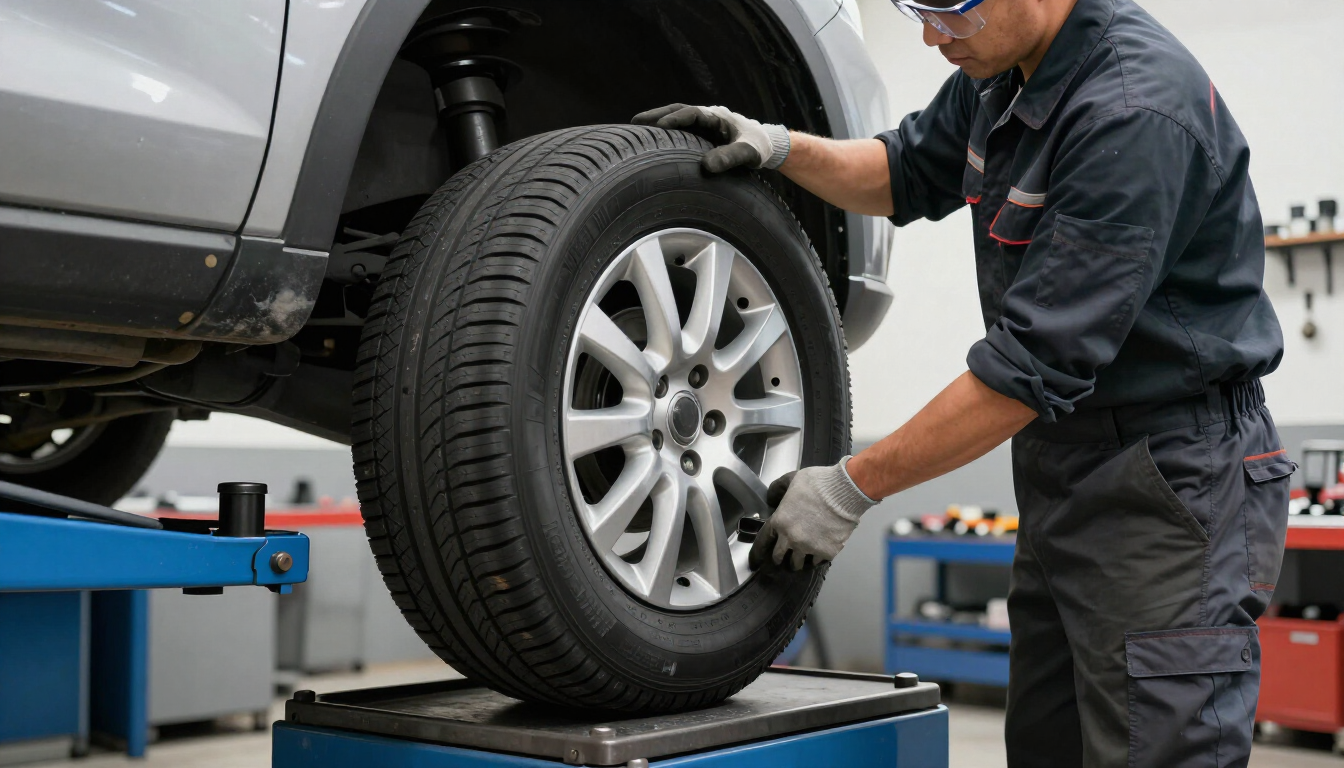
Should you use winter tires on all four wheels?
Yes. Winter tires should generally be installed on all four wheels, including vehicles with front-wheel drive, rear-wheel drive, and all-wheel drive. Installing winter tires on only two wheels can create an imbalance in traction and handling.
For example, placing winter tires only on the front axle may improve front-wheel traction but leave the rear axle less stable during braking or cornering. Matching all four tires helps the vehicle behave more consistently.
Your vehicle’s owner’s manual may specify tire sizes, load ratings, speed ratings, or wheel requirements. Follow those recommendations, and ask a tire professional if you are unsure.
What should you do after installing winter tires?
After installation, check tire pressure when the tires are cold. Pressure normally decreases as temperatures fall, and underinflation can affect handling, fuel economy, and tread wear. Use the pressure listed on the vehicle’s door-jamb label rather than the maximum pressure printed on the tire sidewall.
During the first few drives, pay attention to vibration, pulling, unusual noise, or warning lights. If something feels different, have the installation checked. Recheck tire pressure regularly throughout winter and schedule a rotation according to your vehicle and tire manufacturer recommendations.
For additional seasonal advice, visit Tire Care Tips and learn about Seasonal Tire Storage .
Quick answers for Canadian commuters
Is October too early for winter tires? Usually not. If temperatures are regularly approaching 7°C, October can be an appropriate time in Ontario.
Should I wait for snow? No. Cold temperatures can reduce traction before snow arrives.
Can I drive winter tires in warm weather? Short periods are generally manageable, but prolonged warm-weather driving can increase wear and reduce efficiency. Remove them when spring temperatures remain consistently above 7°C.
Do all-wheel-drive vehicles need winter tires? Yes. All-wheel drive helps with acceleration, but it does not replace winter-tire grip when braking or cornering.
Where can I arrange service? Contact Duff’s Tire Discounter Ltd. or request a tire service appointment .
The bottom line
The best time to change to winter tires in Canada is before temperatures consistently fall below 7°C—often October or early November in Ontario. Installing all four winter tires before the first snowfall helps improve cold-weather braking, traction, and control for everyday commuting. Check tread, age, sidewalls, pressure, and the snowflake symbol before installation, then book early to avoid seasonal delays. If you drive in Newmarket or nearby communities, evaluate your commute and forecast now, compare suitable tires, and schedule your changeover before winter conditions arrive.
Recent Posts
SHARE THIS
Latest Posts